


The Growing Crisis of E-Waste: Challenges and Solutions
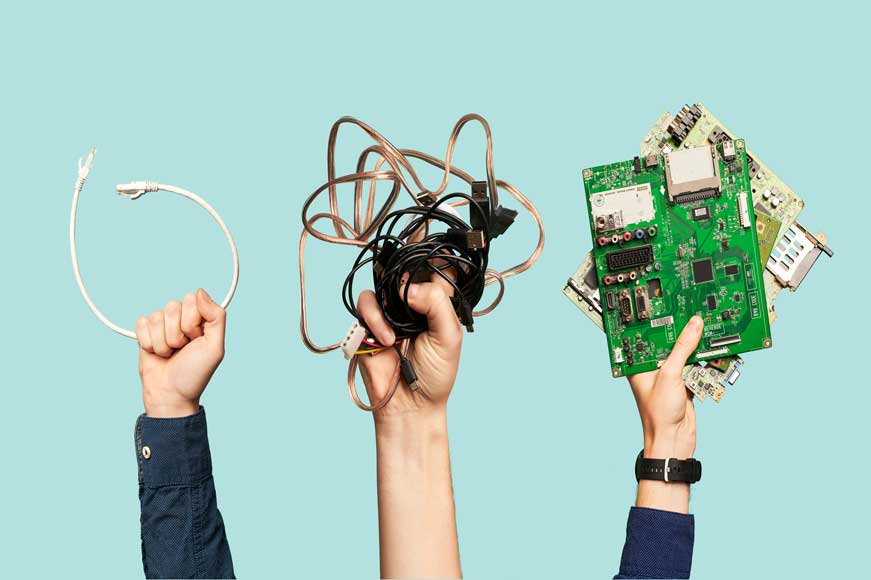
In today's fast-paced, technology-driven world, electronic devices have become an integral part of our lives. From smartphones and laptops to televisions and refrigerators, these gadgets have revolutionized the way we live, work, and communicate. However, the rapid advancement of technology has also given rise to a pressing global issue – electronic waste, commonly known as e-waste. This article explores the challenges posed by e-waste and offers potential solutions to address this growing crisis.
Understanding E-Waste
E-waste encompasses discarded electronic devices and electrical equipment. These items can be anything from a smartphone that's no longer in use to an outdated desktop computer or an old microwave oven. When these devices reach the end of their lifecycle, they become electronic waste. Unfortunately, e-waste is on the rise due to the constant innovation and shorter lifespans of electronic products.
Challenges Posed by E-Waste
1. Environmental Hazards: E-waste contains various hazardous substances, including lead, mercury, cadmium, and brominated flame retardants. Improper disposal and inadequate recycling can release these toxins into the environment, contaminating soil, water, and air. This poses significant health risks to both humans and ecosystems.
2. Resource Depletion: Electronics production relies on valuable and finite resources like rare metals and minerals. When electronic devices are discarded rather than recycled, these resources go to waste, leading to resource depletion and higher demand for mining.
3. Health Impacts: E-waste often ends up in developing countries, where informal recycling practices are prevalent. Workers in these recycling facilities are exposed to harmful substances without proper protective measures, leading to severe health issues.
4. Data Security: Improper disposal of electronic devices can also pose data security risks. Sensitive personal or business information stored on old devices may be accessible to unauthorized individuals if not properly wiped or destroyed.
Solutions to the E-Waste Crisis
1. Proper Recycling Infrastructure: Governments and industries must invest in proper e-waste recycling infrastructure. This includes establishing collection centers and recycling facilities that meet environmental standards, ensuring the safe disposal and recycling of electronic devices.
2. Extended Product Lifespans: Manufacturers should design products with longer lifespans and make them easier to repair and upgrade. This can help reduce the rapid turnover of electronic devices and decrease the overall volume of e-waste.
3. Responsible Disposal: Consumers play a vital role in the e-waste problem. They should be educated on responsible disposal methods, such as donating or selling still-functional devices, recycling through authorized centers, or participating in take-back programs.
4. Eco-Friendly Manufacturing: Manufacturers should prioritize eco-friendly materials and production processes. By reducing the use of toxic substances and promoting sustainable manufacturing, the environmental impact of electronic devices can be significantly reduced.
5. Circular Economy: Adopting a circular economy approach involves reusing, refurbishing, and recycling electronic devices to extract valuable components and materials. This not only reduces waste but also lessens the need for new resources.
6. Legislation and Enforcement: Governments should enact and enforce regulations regarding e-waste management. This includes implementing extended producer responsibility (EPR) laws, which hold manufacturers accountable for the end-of-life disposal of their products.
Conclusion:
The e-waste crisis is a global problem that demands immediate attention. As electronic devices continue to proliferate and our dependence on them grows, finding sustainable solutions is paramount. By adopting responsible disposal practices, embracing eco-friendly manufacturing, and implementing effective regulations, we can mitigate the environmental and health risks associated with e-waste. Together, we can work towards a future where our technological advancements do not come at the cost of our planet and its inhabitants.

Support Team
Typically replies within a minute
How can I help you?